
Symbiosis Skills and Professional University
Location
Kiwale, Pune, Maharashtra, India
Building Type
Educational Campus – Comprising of academic buildings, administrative offices, residential facilities, and training centers.
Design Style/Inspiration
-
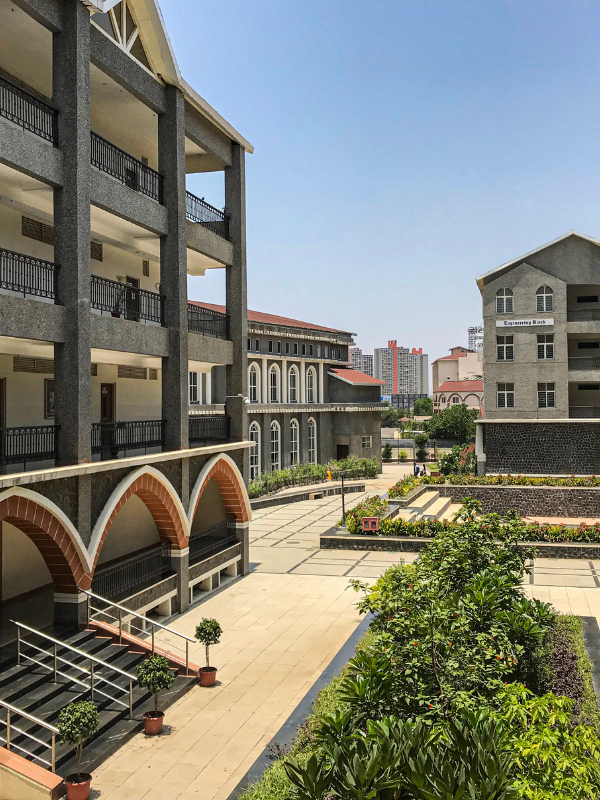
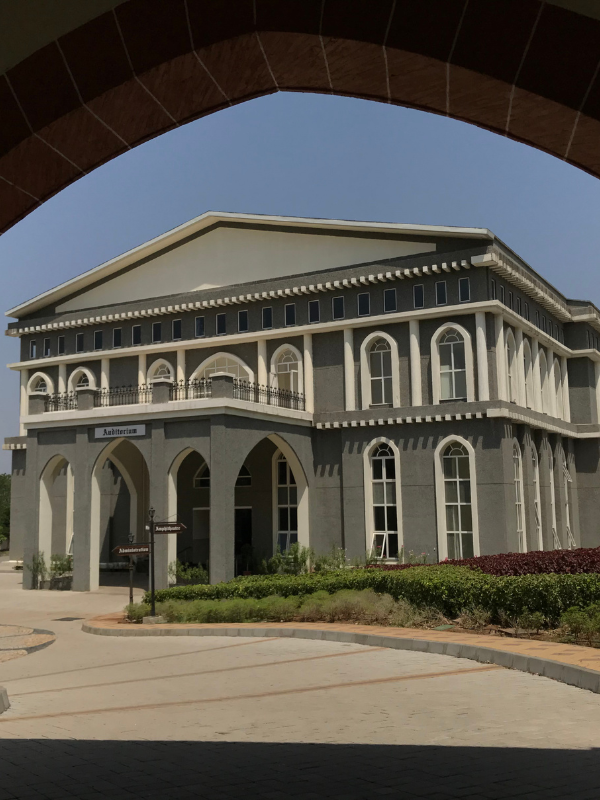
Modern Functional Architecture: Emphasis on practicality and efficiency to support skill-based education.
-
Industrial Aesthetics: Use of materials like cement, concrete, and metal structures to reflect the industrial focus of the university.
-
Rapid Construction Techniques: Designed for swift development without compromising on quality.
Goals/Objectives
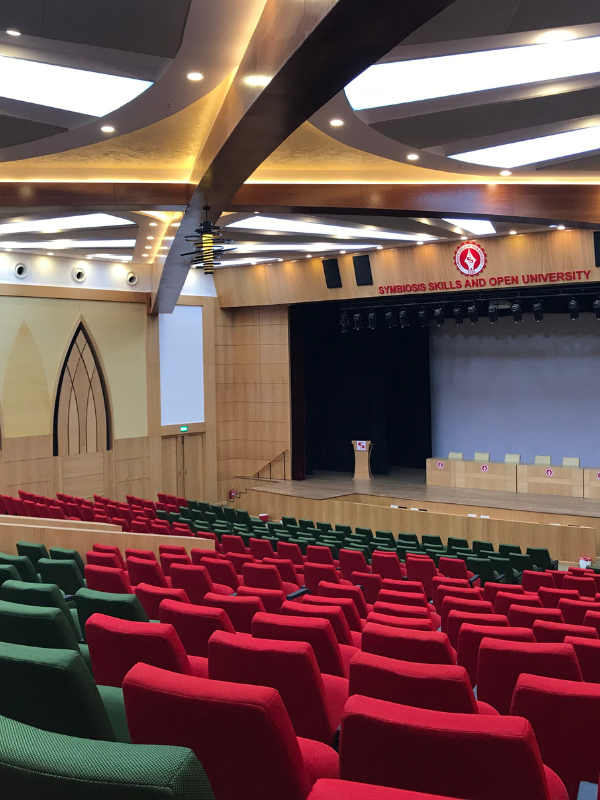
- Functionality: To provide state-of-the-art facilities for skill development across various sectors including automobile, construction, mechatronics, and more.
- Aesthetics: To create a modern and inspiring environment conducive to learning and innovation.
- Environmental Impact: To incorporate sustainable practices and energy-efficient systems, aligning with global environmental standards.
Challenges Overcome
-
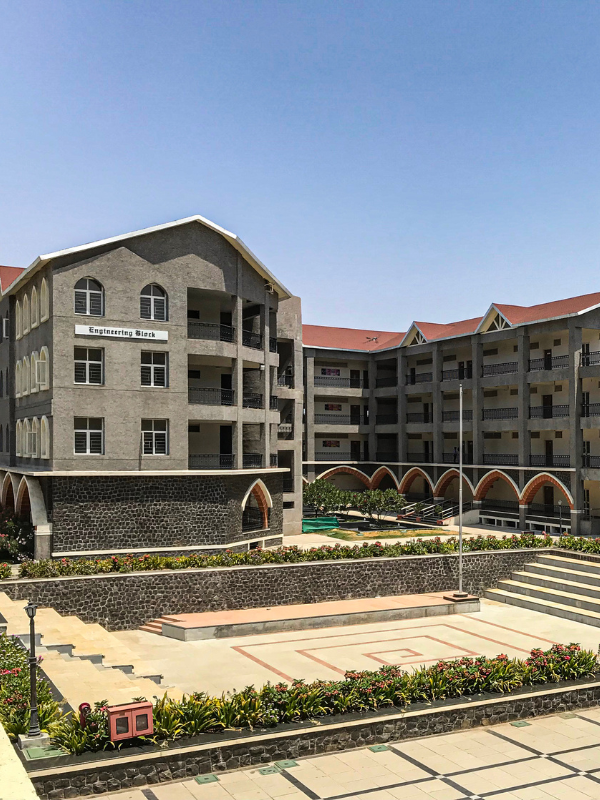
Time Constraints: Achieving the completion of a vast campus within a 15-month timeframe.
-
Resource Management: Coordinating multiple construction activities simultaneously without compromising on quality.
-
Design Integration: Balancing modern architectural designs with functional requirements of a skill development university.
Unique Aspects
-
First Skill Development University in Maharashtra: SSPU is recognized as the state’s pioneering institution focusing on skill-based education.
-
Industry Collaboration: Partnerships with leading industries to provide hands-on training and real-world experience to students.
-
Inclusive Programs: Initiatives like residential diploma programs for underprivileged girls in collaboration with industry partners.
-
Rapid Development: Setting a benchmark by completing the extensive campus in a record time of 15 months.
Key Features
- Campus Size: Spread over 25 acres with a total built-up area of approximately 55,700 sq. meters.
- Project Timeline: Completed in a remarkable 15 months.
- Infrastructure: 15 buildings including academic blocks, workshops, and residential facilities.
- 3 km internal asphalt road network for seamless connectivity within the campus.
- Unique facades constructed using cement and concrete.
- MS (Mild Steel) structured roofs with shingles for an elegant appearance.
- Sustainability Elements: Integration of renewable energy systems and energy-efficient designs.
- Focus on environmental control, climatology, and energy conservation in building design
Questions? Collaboration?